Bonus Offers Entry and First Interaction
When I examined how bonus offers operate inside Yono Games, the first distinction was clear: these offers are not presented as isolated deals. They are integrated into the system from the very beginning. The Sign up phase does not just register a user, it immediately connects them to the promotional structure.
Instead of requiring manual selection, bonus offers appear automatically as part of the first interaction. This removes hesitation and ensures that users are not evaluating options before engaging. They are already participating in the system.
This design reduces friction and increases immediate activity.
Transition From Access to Engagement
The transition from entry to active use is intentionally compressed. After Login, the platform directs attention toward available rewards without forcing navigation through multiple layers.
The system emphasizes:
- visibility of active offers
- immediate usability
- minimal delay between actions
This creates a direct path from account access to reward interaction.
The user is not searching for offers. The offers are already positioned within the interface.
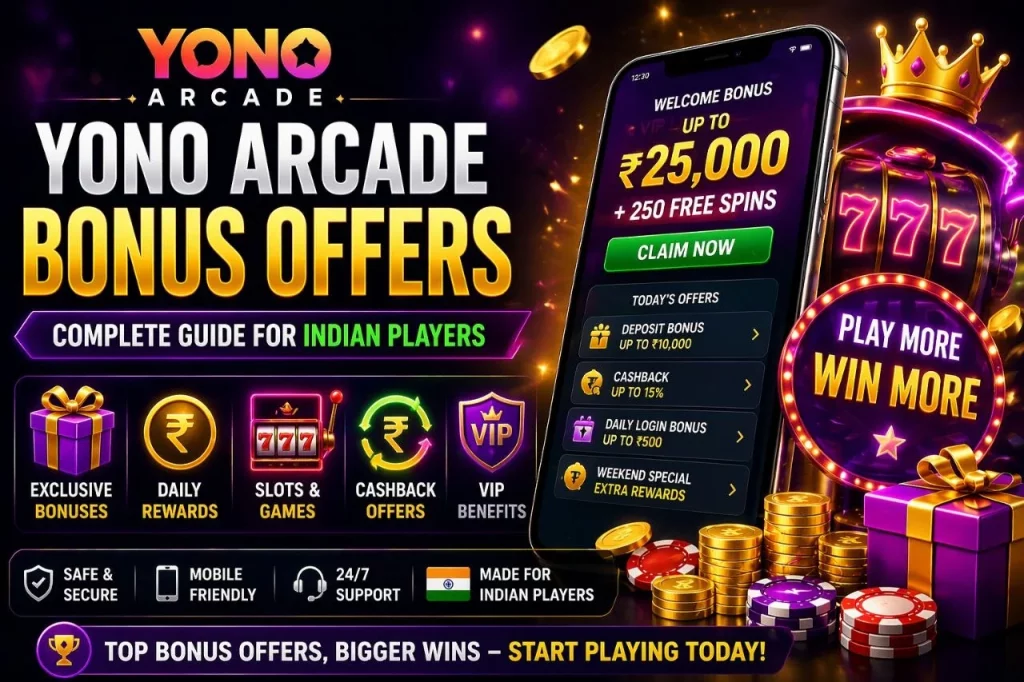
Interactive Table of Bonus Offer Entry Conditions
Structural Role of Bonus Offers
The term Bonus inside this platform does not represent a single reward. It represents a system of incentives distributed across different stages of interaction.
These offers serve multiple functions:
- initiating user activity
- sustaining engagement
- preventing inactivity
The system does not rely on a single high-value reward. It relies on continuous smaller incentives that maintain interaction over time.
Engagement Distribution Graph
Integration of Offers Into Gameplay
Once activated, bonus offers are not stored separately. They are embedded into gameplay. This means that players interact with rewards while playing, not before or after.
Inside Games, this integration ensures:
- uninterrupted session flow
- immediate reward visibility
- continuous engagement
The system avoids interruptions that could break the user’s focus.
Bonus Usage Inside Slots
Most bonus activity occurs within Slots, where interaction speed is highest. These environments allow the system to deliver rapid feedback and maintain engagement through repetitive cycles.
The simplified structure of slots supports:
- quick spin cycles
- immediate outcomes
- high interaction frequency
This makes them ideal for distributing and consuming bonus offers efficiently.
Behavioral Foundation of Bonus System
At its core, the bonus offers system is designed to shape behavior rather than reward outcomes. It creates a loop where:
- action leads to reward
- reward leads to further action
- continuous action maintains engagement
This loop becomes the central mechanism of the platform.
Bonus Stacking and Adaptive Reward Logic
Moving deeper into the system, bonus offers reveal a layered structure rather than a single-track promotion. Inside Yono Games, offers accumulate, overlap, and activate conditionally. The platform does not present stacking rules explicitly, but behavior makes them observable.
Stacking is governed by timing and activity. You may have multiple incentives active, but their usability depends on sequence:
- entry rewards activate immediately
- session-based incentives appear during play
- recovery rewards trigger after loss or inactivity
The system decides which layer is dominant at any given moment. This reduces manual optimization and shifts control to the platform.
Conditional Activation and Timing Windows
Bonus visibility is not constant. Offers appear in specific windows aligned with predicted user behavior. For instance, a user slowing down mid-session may receive a new incentive before leaving.
This timing model is based on:
- session momentum
- pause duration
- prior responsiveness to offers
As a result, bonuses feel reactive. They are not simply listed; they are introduced at points where they can influence decisions most effectively.
Interactive Table of Bonus Trigger Windows
Gaming India and India Casinos Guide| Trigger Window | User Behavior | System Action | Reference |
|---|---|---|---|
| Early Session | Initial activity | Welcome incentive | Gaming India |
| Mid Session | Slowing pace | Boost offer appears | MeitY |
| Loss Phase | Balance drop | Cashback / recovery | RBI |
| Exit Intent | Session stop | Re-engagement bonus | SEBI |
Distribution of Bonus Usage Across Sessions
In practice, most bonuses are not used evenly. The system concentrates value where it matters most: early engagement and retention moments.
Observed distribution pattern:
- high bonus exposure in first session
- moderate reinforcement during active play
- targeted injections during decline or exit
This ensures that users rarely reach a point where no incentives are present.
Bonus Distribution Graph
Popular Bonus Types for Players in India
The Indian market strongly influences how bonus offers are structured. Players typically favor continuous, flexible incentives over large one-time rewards. The platform reflects this through a diverse set of Bonus formats.
Common types include:
- welcome deposit matches with low entry thresholds
- cashback rewards to soften loss cycles
- daily login incentives for consistent returns
- referral bonuses linked to social networks
- time-limited boosts during peak hours
- event-based promotions tied to seasonal activity
These offers are not isolated. They interact to maintain constant engagement.
Multi-Channel Access and Distribution
Another layer affecting bonus behavior is how users access the platform. Many players engage through mobile-first environments, often via Apk installations rather than browsers.
This influences:
- frequency of notifications
- timing of offer delivery
- session fragmentation into shorter but more frequent interactions
The system adapts by aligning bonus triggers with device usage patterns.
System Interpretation of Reward Flow
At this stage, the bonus system operates as a feedback mechanism rather than a reward list. It reacts to user behavior in real time, adjusting incentives to maintain activity.
The loop becomes:
- user interacts
- system evaluates behavior
- bonus is introduced
- user continues interaction
This loop repeats continuously, stabilizing engagement.
Structural Continuity of Bonus Offers
Bonus offers are not separate from gameplay. They are embedded into the platform’s core structure. Every action contributes to reward triggers, and every reward reinforces behavior.
The system does not rely on isolated promotions. It relies on continuous interaction between user activity and system response.
Gameplay Behavior Under Bonus Influence
By the third phase, the analysis shifts from how bonuses are delivered to how they actively shape gameplay. Inside Yono Games, bonuses are not passive rewards. They influence how users interact with the system at every moment.
The platform does not require players to change strategy. Instead, it modifies the environment so that behavior naturally aligns with continuous engagement. This is achieved through timing, interface design, and reward placement.
The result is a gameplay flow where actions feel independent, but are subtly guided.
Interaction Patterns Inside Slots
The highest concentration of bonus-driven behavior occurs in Slots, where rapid interaction cycles dominate. These environments are optimized to sustain momentum and reduce interruptions.
Key characteristics include:
- immediate round initiation
- minimal delay between outcomes
- constant visual feedback
This structure supports frequent reward injections without breaking the session. Bonuses appear as part of normal play rather than as external events.
The system leverages speed to maintain control.
Interactive Table of Gameplay and Bonus Interaction
| Scenario | User Action | System Response | Effect |
|---|---|---|---|
| Continuous Play | Rapid spins | Frequent micro-rewards | High engagement |
| Loss Sequence | Repeated attempts | Delayed bonus trigger | Extended session |
| Win Event | Balance increase | Incentive amplification | Continued play |
| Idle Behavior | Pause session | Reactivation offer | Return likelihood |
Decision-Making and Interface Influence
The platform does not explicitly instruct players how to act. Instead, it shapes decisions through visual and structural cues.
Examples include:
- emphasizing certain buttons over others
- adjusting animation timing to control pacing
- highlighting rewards at key moments
These elements reduce cognitive load and encourage continuous interaction. Players are guided without being aware of the guidance.
Integration of Bonus Offers Into Gameplay
At this stage, bonuses are no longer perceived as separate features. They are fully integrated into gameplay flow. You are not deciding when to use them. They are applied automatically as you interact.
This integration ensures:
- uninterrupted session flow
- constant reinforcement of activity
- elimination of pauses between actions
The system avoids any break that could interrupt engagement.
Multi-Session Interaction Dynamics
Bonus-driven behavior extends beyond a single session. The platform maintains continuity across multiple sessions by preserving engagement patterns.
This includes:
- re-triggering offers upon return
- maintaining reward momentum
- adapting to previous session behavior
The experience feels continuous even when sessions are separated in time.
External Access and Navigation
Users often access the platform through multiple channels, including alternative entry points categorized as Links. This ensures that engagement is not limited to a single interface or path.
This model increases:
- accessibility
- session flexibility
- continuity of interaction
The system remains active regardless of how users enter.
Structural Interpretation of Gameplay Phase
At this point, the relationship between gameplay and bonuses is fully integrated. The platform operates as a closed loop where:
- gameplay generates activity
- activity triggers rewards
- rewards sustain gameplay
There is no clear boundary between these elements.
Practical Insight From User Perspective
From a practical standpoint, observing system behavior provides more value than focusing on outcomes. Patterns emerge in how the system reacts to activity rather than in the results themselves.
Key indicators include:
- timing of reward appearance
- frequency of re-engagement triggers
- smoothness of session transitions
Understanding these patterns allows users to interpret how the system operates.
Integrated System Perspective
The platform does not treat gameplay and bonuses as separate layers. They function as a unified system designed to maintain continuous engagement.
The user is not interacting with isolated features. The user is interacting with a controlled environment where every action feeds into the next.
Withdrawal Logic and Bonus Conversion Mechanics
At the final stage, the system reveals how bonus offers translate into real balance and how exit behavior is managed. Inside Yono Games, bonuses are not designed for direct withdrawal. They must pass through a conversion phase where gameplay activity determines eligibility.
This conversion is not always transparent at the beginning. Conditions often become visible only when the user attempts to withdraw. This creates a controlled environment where engagement continues even at the exit stage.
The system does not block withdrawals outright. It shapes when and how they happen.
Interactive Table of Withdrawal and Retention Flow
Risk Considerations and Operational Context
It is important to evaluate the system within its operational environment. Platforms like Yono Games typically operate outside strict regulatory oversight such as UK Gambling Commission or Malta Gaming Authority.
This affects several aspects:
- variability in withdrawal timelines
- changing conditions for bonus conversion
- limited standardized dispute resolution
From a practical perspective, predictability becomes more valuable than speed.
System Behavior at Exit Points
The system introduces subtle friction when users attempt to exit. This is not a barrier, but a delay mechanism designed to encourage continued interaction.
Common patterns include:
- additional confirmation steps
- reminders of active offers
- new incentives appearing during withdrawal flow
These elements are strategically placed to create hesitation.
Full Bonus System Lifecycle
When viewed as a complete structure, the system follows a consistent loop:
- entry through automated bonus allocation
- engagement through gameplay integration
- reinforcement through adaptive rewards
- controlled exit through retention mechanisms
Each phase supports the next. The system is continuous rather than segmented.
External Navigation and Access
Users often access the platform through multiple entry points grouped under Links. This ensures uninterrupted availability even if primary access channels change.
This decentralized model improves:
- accessibility
- continuity
- system resilience
It allows the platform to maintain engagement across different environments.
Practical Interpretation for Users
From a user perspective, understanding system behavior is more effective than focusing on isolated outcomes. Observing how the system reacts to actions provides better insight into how it operates.
Important indicators include:
- timing of bonus activation
- frequency of reward triggers
- conditions that appear during withdrawal
These patterns reveal how the system adapts to user behavior.
FAQ
What are bonus offers at Yono Arcade?
Bonus offers are dynamic rewards integrated into gameplay and user activity, designed to encourage continuous interaction on the platform.
How do I activate bonus offers?
Most bonus offers are automatically applied based on actions like registration, deposits, or gameplay activity without requiring manual activation.
Are bonus offers available after sign up?
Yes, many offers are triggered immediately after account creation and first interaction with the platform.
Can multiple bonus offers be used at the same time?
In many cases, yes. However, their interaction depends on internal system logic and timing conditions.
Do bonus offers expire?
Yes, most offers have time limits or activity-based conditions that can cause them to expire if unused.
Can I withdraw winnings from bonus offers?
Winnings are usually subject to wagering or other conditions before they become eligible for withdrawal.
Which games support bonus offers?
Most bonus offers are optimized for fast-play games such as slots and arcade-style titles.
Does mobile access affect bonus availability?
Yes, using mobile browsers or Apk versions can influence how frequently bonuses are triggered and delivered.
Why do bonus offers appear at specific times?
The system uses behavioral triggers such as inactivity or loss cycles to introduce bonuses at moments when engagement may drop.
What is the best way to use bonus offers effectively?
Observe how the system reacts to your activity, use bonuses early, and understand the conditions before relying on them for withdrawals.






Comments